
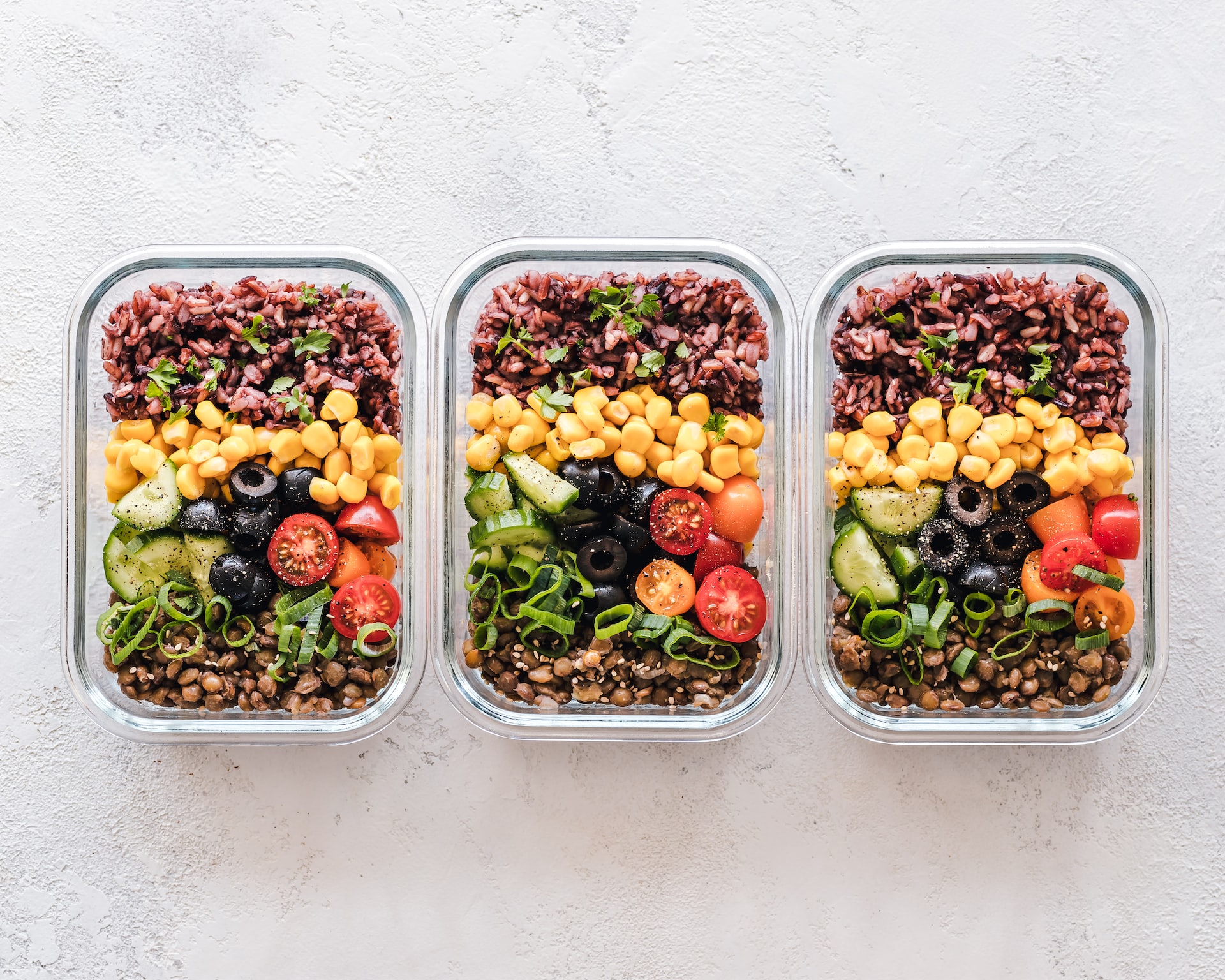
 The days when pulses and other plant based foods were only available in ‘healthfood’ shops are long gone. Today, almost every supermarket will have plant based and ‘free from’ sections in response to what is becoming a fast growing market. There are many health benefits to non meat diets, in particular those based on pulses.
This article looks at what pulses are and how to introduce them to your diet so that you can enjoy the health benefits. They are easy to incorporate into our diets and you may soon find they feature in some of your favourite meals.
Consumer trends in plant based foods
According to research by UK based food awareness organisation ProVeg, 9% of UK consumers are vegan or vegetarian. After Germany, the UK has the largest share of plant-based eaters in Europe. What’s more, 23% of UK consumers identify as flexitarian – those of us who eat more plant based food but still consume a little meat. It’s a big market too, in 2020 almost £600 million was spent on meat free food items in the UK alone.
What is a pulse – and why are they good for you?
Pulses come from the legume family. These are foods grown in pods and are edible seeds and grains. You’ll be familiar with them as pulses include peas and lentils including: chickpeas, kidney beans, cannellini beans and many more. They are good for your body since they are high in fibre, vitamins, minerals and protein whilst also being low in fat.
Pulses are also relatively cheaper compared to meat, which makes them an affordable option to keep your body healthy whilst saving money. They also count towards our five a day making them a great source to top up our total portions throughout the day.
Specific health benefits
Let’s go a little deeper into exactly why pulses are good for you. What are their specific health benefits? Here are just some or the many reasons why they are good for us:
- They have high soluble dietary fibres which help promote a healthy digestion system and reduces risk for bowel cancer.
- They are associated with lowering the risk of heart/cardiovascular diseases, helping to reduce the chance of type 2 diabetes or aid lowering blood sugar levels with those who have it.
- They have a low glycaemic index which means they don’t cause a sharp rise in blood sugar levels and would support the health of those living with diabetes.
- Eating pulses can help to reduce the risk of cardiovascular disease. They are high in fibre and low in saturated fat, which helps to reduce cholesterol levels and keep the heart healthy.
Benefits to wellbeing and mental health
Plant-based diets are also associated with a lower body weight and have been shown to reduce the risk of obesity. Research presented at the European Congress on Obesity, as reported by The Guardian, showed that a vegan diet over three months reduced body weight by about 4.1kg (9lb) on average compared with control diets, and cut blood sugar levels.
Additionally, vegetarian and vegan diets are associated with improved mental health, including lower levels of depression. To illustrate this, research that looked at the impact of diet on emotional well-being and productivity at 10 corporate sites of a major U.S. insurance company found that a plant-based dietary intervention led to significantly reduced feelings of depression, anxiety, and fatigue.
How to add more pulses to your diet
So, how can we transition towards eating more pulses? As with any change in diet, it doesn’t have to be a 100% switch. You can achieve many of the health benefits by introducing them when you can.
One way to incorporate pulses into your diet is through substituting half or more of the meat you eat with them. Pulses are very versatile and are often used as substitutes for red meat as well as rice, potatoes and pasta. You can use them in recipes for lentil stew or spicy bean burgers. You’ll be eating less saturated fat too, helping to manage your weight and reducing your risk of stroke or heart attack.
If you enjoy a chicken curry, you could reduce the meat portion by 50% and add in chickpeas – or try an entirely chickpea based curry. In fact, adding pulses doesn’t even require any cooking. You can add in unsalted whole nuts to breakfast cereals and yoghurts or can add pulses such as beans into a mixed bean salad.
A word of warning…
However, just because foods contain pulses, it doesn’t always mean they are automatically good for you. In their guidance on using pulses, the British Heart Foundation comment on the growing range of pulse-based snacks, such as lentil crisps or roasted chickpeas. They explain that, while these might contain more fibre and protein than other snacks like crisps, many are also high in salt or fat. So, as with all foods, always check the labels – and watch out for those red and amber traffic lights.
In conclusion
Eating pulses and turning to a plant based diet has many health benefits. Any diet with the potential to reduce the risk of bowel cancer, type 2 diabetes and cardiovascular disease should be embraced, especially when it’s relatively simple to do so. The good news is that it doesn’t have to mean a drastic change to the way you prepare and consume your food. Making smaller tweaks to your diet by incorporating pulses will help you maintain a healthier relationship with food – and an all-round healthier life.
Further reading
Cordell Health have covered healthier eating in two recent blog articles. If you are interested in other aspects of a healthier diet, why not read:
A healthier approach to processed foods at work: https://cordel.247developments.com/blog/a-healthier-approach-to-processed-foods-at-work/
Eating well to perform well: https://cordel.247developments.com/blog/eating-well-to-perform-well/
We have also produced a 4 page factsheet on Pulses which is available on our wellbeing subscription service. More details here: https://cordel.247developments.com/subscription.php
Photo by Ella Olsson on Unsplash
