
 This article isn’t just about workplace anxiety. While many people can feel anxious about their work or workplace, there are many more factors causing anxiety. So, for an employer, the challenge isn’t only in managing ‘workplace anxiety’, but also understanding the causes of the wider anxiety that can impact the workplace.
From work related anxiety to financial worries, family, health and concerns about the state of the world, it comes as no surprise to see that mental health charity MIND found that 1 in 6 workers are dealing with mental health problems such as anxiety, depression, or stress. What’s more, the Health and Safety Executive state these conditions account for 50% of all work-related ill health cases. And, as we’ll discuss later, many younger people in Gen Z are finding life particularly stressful.
All of this can impact performance if employers aren’t aware of the issues and how to manage them and support their staff. We will share our tips to help with this, but let’s start by looking at what anxiety is, and some of the symptoms.
What is Anxiety – and who is affected?
The Mental Health Foundation say that anxiety is ‘a common emotional state characterised by feelings of unease, such as worry or fear, that can range from mild to severe.’ It’s important to recognise that anxiety is a normal reaction to stress or feeling threatened. It becomes a problem if these situations are excessive or interfere with our lives.
These situations don’t have to be happening in the moment but can be events in the past as well as those anticipated in the future. And we all experience anxiety differently, and often in ways unique to ourselves. According to the Mental Health Foundation, gender can also play a part. Women are almost twice as likely to experience anxiety as men. In addition, those who identify as LGBTQ+ are around twice as likely to report symptoms of poor mental health (i.e. anxiety, depression) than heterosexual adults.
Forms of anxiety
While there are many forms of anxiety, some of the more common include:
Generalised Anxiety Disorder (GAD): Where someone feels worried on a regular or uncontrollable basis. The most common form of anxiety, it is characterised by excessive, uncontrollable and often irrational worry about events or activities.
Panic Disorder: Where panic attacks are experienced on a frequent basis without having a clear trigger. People who suffer from panic disorder are likely to experience sudden and intense anxiety.
Obsessive Compulsive Disorder (OCD): Where someone presents with repetitive behaviours, thoughts or urges. This can cause significant distress, interfering in daily life. Examples include repeating words or numbers in your head or constantly having to check that the car is locked.
Social Anxiety Disorder: Where someone has extreme amounts of fear triggered by social situations. These could be anything from going to work, talking to someone face to face through to large parties or events.
Post-Traumatic Stress Disorder: This often develops from experiencing a traumatic event, such as sexual assault, warfare, traffic collisions, child abuse, domestic violence, or other threats on a person’s life or well-being
How to spot the signs
Just as we all experience anxiety in different ways, the same goes for how we display the signs of our anxiety. There are likely to be differences in what we show and how others witness and interpret what they see.
The following are summaries to help you recognise possible anxiety in yourself and others.
Mental signs of anxiety: Feeling tense, nervous, unable to relax, having a sense of dread, feeling like others have noticed and are looking at you, a feeling that you can’t stop worrying, even to the point of worrying when the next panic attack might happen and worrying about the future.
Physical signs of anxiety: You or others might feel restless, unable to sit still, have a churning feeling in your stomach, experience sleeping problems, headaches, back pain and a possible drop in your sex drive.
For further information on the signs of anxiety, please see this page from mental health charity, Mind: Anxiety and panic attacks.
Managing anxiety in the workplace
While there are external factors contributing to anxiety, the workplace can bring pressures of its own. Rumours, poor communication, relationships with line managers and colleagues, bullying, worries about redundancy, poor team morale, a blame culture, appraisals and unwanted feedback – it’s easy to see why for some, the workplace can create anxiety and also cause it to spread.
As employers, we can’t influence or be held responsible for what may cause anxiety in the personal lives of our employees, but we can manage anxiety and its causes at work. Here are some ways to help:
Manage change carefully: Employers often focus on change as exciting while those who understand the implications may worry about the downside. That’s why also reminding employees of what isn’t going to change can be stabilising, and make change feel less daunting.
Learn how to spot the signs: Mood changes, drop in performance, more absence, difficulty in team dynamics. The signs are often there – so, ask if your people need support, and give them the chance to speak up without fear of criticism. And remind your line managers to include those working remotely – their signs may be harder to spot.
Focus on sleep and diet: It’s often overlooked but your people can’t perform if they don’t look after their personal wellbeing. Late nights, poor diet and alcohol consumption in the pursuit of targets and deadlines will take its toll. This also applies to leaders whose activity has the potential to send the wrong message to others.
Respect boundaries: Encourage good habits – such as not emailing out of hours, respecting that a holiday means just that and encouraging work-life balance will help to ease pressure points and enable your people to get the rest they need to build resilience.
Practice and promote wellbeing techniques: Are you able to provide workplace yoga classes? Yoga, or any physical exercise is good for us physically and mentally due to the release of endorphins that release stress and elevate our mood. Likewise, meditation and breathing exercises are proven to be great for stress relief.
How open and inclusive is your culture? Many organisations are now far more open about discussing mental health and anxiety, recognising that it’s ‘OK not to feel OK’. If this is yet to feel like your workplace, we suggest you focus on developing an inclusive culture of empathy and openness where employees feel supported to seek help.
Anxiety and Gen Z
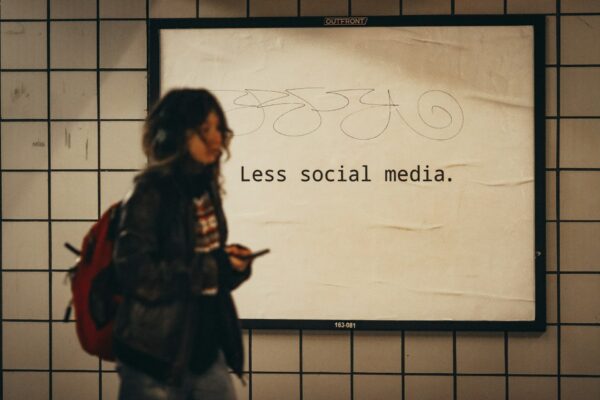 So, why are many younger people in Gen Z finding life particularly stressful? According to the Resolution Foundation, one in three 18- to 24-year-olds now report symptoms indicating they have experienced a common mental health problem, such as depression or anxiety disorder, compared with one in four in 2000. Why does this matter to employers? Gen Z is made up of people born after 1996 and by 2030 they will represent around 30% of the workforce.
Gen Z is now also known as the ‘anxiety’ generation or the ‘loneliest’ generation, due to the increase seen in anxiety diagnoses for the younger generation. They are well known for their digital fluidity, higher use of social media and their different perspectives on life and what is deemed important.
What causes their anxiety?
In our research for this article, three themes kept coming up:
- Economic instability
- Social media
- Political uncertainty
Other themes such as academic pressure and the aftermath of the pandemic appeared too, and these also have significant pressure and effects. This comes from so many of Gen Z believing that if they fail school, they have failed at being able to have a life. Add to this the emotional toll of the seclusion caused by the pandemic and it’s not surprising to see anxiety levels remaining high. Many in Gen Z have missed out on the social life that should have seen them having fun with friends and experiencing life – only to emerge back into an unstable world that only adds to their anxiety.
The view from Gen Z
We asked one of our own team who is right in the middle of the Gen Z age profile for her thoughts on why anxiety impacts Gen Z and how others see them. Here is what she had to say…
“I believe that Gen Z are more accepting and open about having mental health issues and are simply trying to find a way to not just survive and go through life but actually live and experience it too. Too many people from older generations are hiding their issues believing that nothing is wrong or trapped behind a stoic facade, thus there was always going to be an increase in anxiety diagnosis’. I have heard so many older generations talking about how Gen Z are ‘psychologically fragile’ compared to them, but like my girlfriend said, ‘They complain about our view of the world, but look at the world they built for us.’. Why are people so surprised to find out the younger generations are more stressed when there is constant political and economic instability? These problems have surrounded us since childhood and that is actually quite frightening. So, take us seriously, our anxieties and worries are not unfounded or unbelievable to have.”
In conclusion
The more aware the organisation is of the issues and signs of anxiety, the more able it will be to help their people manage and cope. As we’ve covered, anxiety takes many forms and causes lie inside and outside of the workplace. And younger people coming into the workplace may have wider anxieties. Spotting the signs can be challenging, which is why a holistic approach managing the causes while building a more supportive culture that respects and encourages wellbeing offers the best likelihood of a less anxious workplace.
Get our guide
We have produced a new Cordell Health guide on Anxiety Awareness. This is available to subscribers to our wellbeing service. If you are not signed up to this service and would like to find out more, please contact us on wellbeing@cordellhealth.co.uk
Further reading
Mental Health Foundation – What causes anxiety?
Photo credits:
Top: Photo by Vasilis Caravitis on Unsplash
Lower: Photo by Jon Tyson on Unsplash
